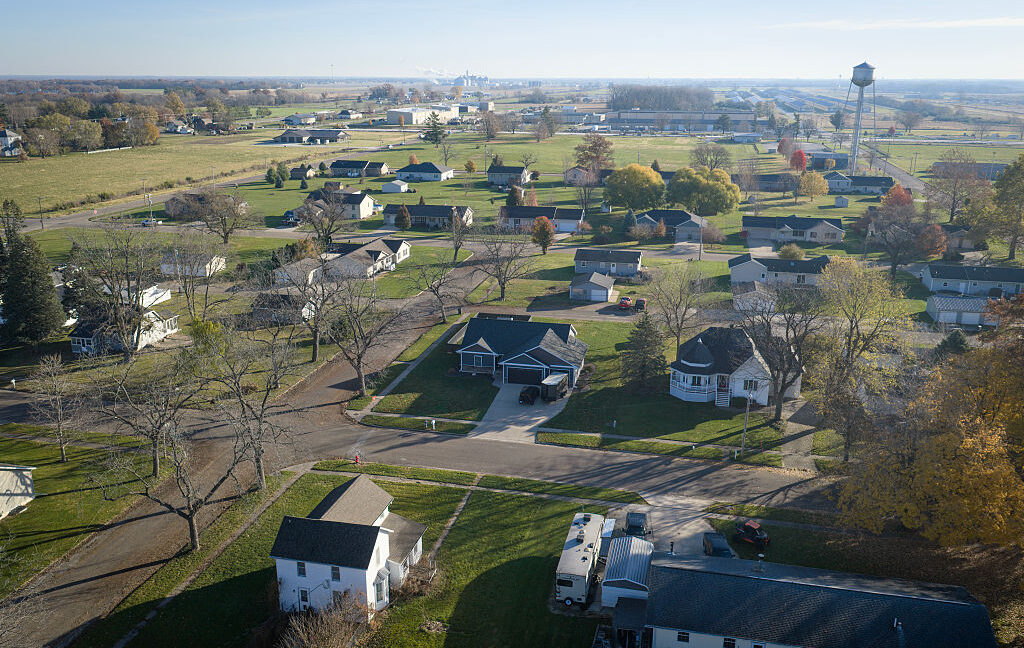
Trump has ordered the US military to halt plans to detonate 68 deteriorating barrels of lead azide at the Iowa Army Ammunition Plant in Middletown, Iowa, according to a social media post he published Monday afternoon.
Trump said the fate of the material now rests with a federal court and Rob Sand, Iowa's governor-elect, who takes office in January. He wrote that if "he or the Courts do not agree, we will have no choice but to not proceed with the controlled removal of these hazardous materials," and that the incoming governor would be held responsible for any resulting "death or destruction."
The Army had planned to detonate the barrels on November 20 but delayed the blast after public outcry and a legal challenge from environmental groups led by Earthjustice. Earthjustice said in an emergency court filing that the Army had not fully considered safer disposal options. Late Thursday, a federal appeals court granted Earthjustice's request to suspend the Environmental Protection Agency permit that allowed the controlled detonation.
The Army has said the lead azide has degraded and crystallized since the military first learned of the problem in March. The Army says the material is now too unstable to move or open, and that freezing temperatures raise the risk of an uncontrolled explosion. Government lawyers wrote in a court filing that the only choice is between a "controlled, mitigated explosion or an uncontrolled, unmitigated explosion." Lawyers also argued the Army does not need the suspended EPA permit because it has determined the material poses an "immediate threat to human health, public safety, property, or the environment."
The detonation could release a plume of toxic gases and neurotoxic lead that could reach up to 100 miles away, according to the report.
In March, the Army awarded a contract to MuniRem Environmental, a Georgia-based firm, to neutralize the lead azide with a sulfur-based solution. Two months later, the Army canceled that contract. An Army contracting officer told MuniRem the cancellation "was not based on deficiencies" in its plans, according to the New York Times, as cited in the report. MuniRem said it filed public records requests seeking the reason and has received no response.
Sand posted Sunday that Iowans "deserve transparency over how we got here, then answers and accountability to stop this from ever happening again," and questioned why the MuniRem contract was canceled.