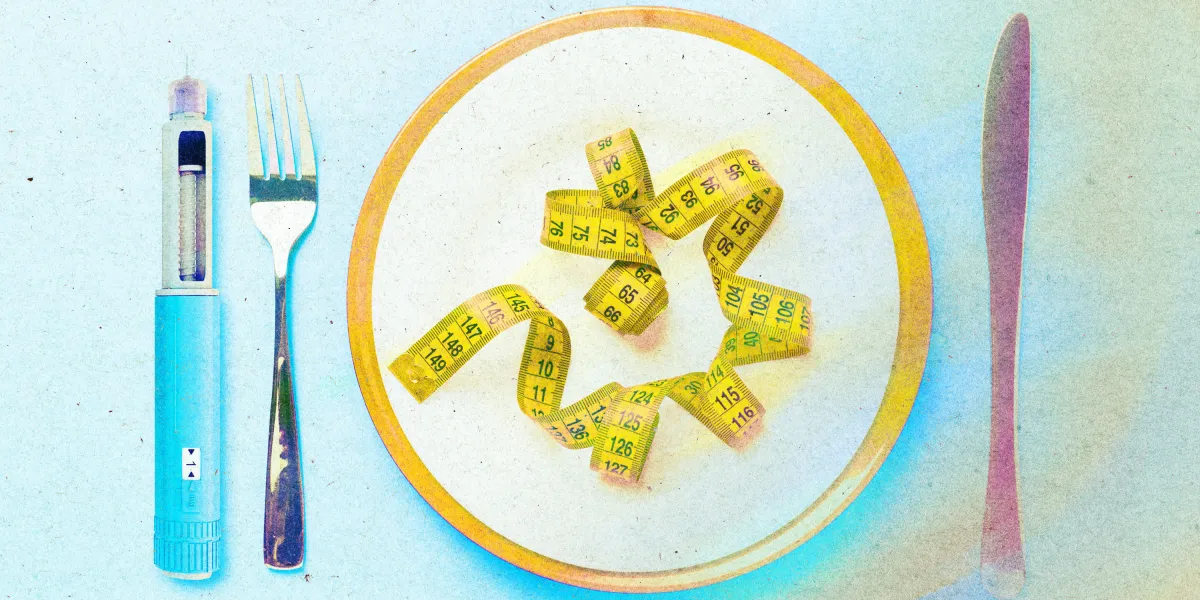
Global rates of anorexia nervosa and bulimia nervosa rose 71% between 1990 and 2023, according to a new report published in JAMA Psychiatry. The study's lead author, Ruhai Bai of the Children's Hospital of Nanjing Medical University in China, and his colleagues estimated that 18.1 million people had one of the two disorders in 2023. They project that number could reach 21.8 million by 2050.
The researchers pooled data from studies and surveys across 204 countries and territories and used statistical models to fill gaps. They estimated that the two conditions cost the world about 3.83 million years of healthy life in 2023, measured in disability-adjusted life years.
Bai's team did not examine why the rates rose. Cynthia Bulik, a clinical psychologist at the University of North Carolina who was not involved in the study, said social media comparisons, influencers, challenges and diet trends can trigger eating disorders. She said there has been "an upsurge of those types of environmental exposures" since 1990.
Cheri Levinson, a clinical psychologist at the University of Louisville who was not involved in the study, said she is seeing more patients with more severe symptoms than at any other point in her career. She said many of them are misusing GLP-1 weight-loss drugs. "This is the worst I've seen things," she said. Levinson also said she is seeing eating disorders in children as young as eight and nine. Her comments on GLP-1 misuse are based on her clinical observations, and the article does not cite a systematic study of that trend.
Levinson said the two conditions covered by the report make up less than half of all eating disorders, and that the true impact is probably about three times what is reported. The article also notes a Gallup survey from earlier this year that found 15% of Americans had used a GLP-1 drug for weight loss.