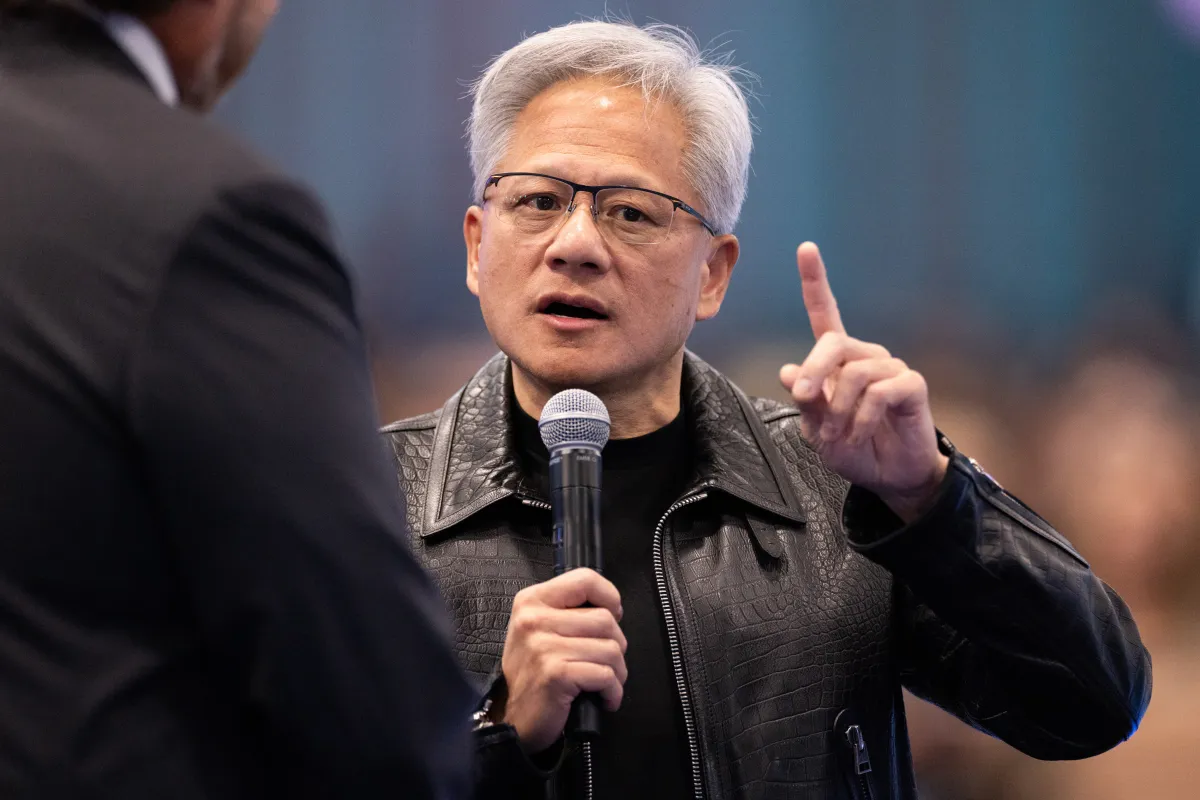
Nvidia's board has announced an independent investigation after reports that CEO Jensen Huang was targeted by a Chinese spy operation. The company also published a message from Huang admitting he had an affair with Alice Huang, a former executive at Singapore-based chip company Megaspeed, though he did not name her. A memo circulating among U.S. policymakers earlier this year claimed Alice Huang had been recruited by China's Ministry of State Security to spy on the CEO. Those claims are allegations, and the report does not establish that they are true.
Huang's apology is direct. He wrote, "I was unfaithful to my wife. My actions hurt her and our children. There is no excuse for what I did." He also said he had "fallen short" of his responsibility to the company. A personal failing like this deserves candor, but it is not by itself a security breach. The question for shareholders and policymakers is whether it created an exposure that a hostile government could use.
That is where the board's own language needs scrutiny. It said it has "no reason to believe" that national security or company secrets were compromised, and that it has "confidence in Jensen and his leadership team." Those are reassurances, not findings. The investigation is being run by independent directors with outside legal counsel, which is the right structure. But the board should publish its scope and conclusions in enough detail that the public can judge them, rather than asking investors to take its word.
Nvidia's earlier response, that the pair's interactions were "not unusual" and that the company does not share classified information with customers, does not answer the central concern. Chips are a major focus in the U.S.-China AI race, and the report notes that Huang has a close relationship with President Donald Trump. When the head of the company at the center of that race has a personal relationship with someone a memo links to Chinese intelligence, the stakes extend beyond one executive's conduct.
The next step is clear. The investigation should examine what information Huang had access to, whether any contact was reported under company policy, and whether other executives have comparable exposure. Other AI companies have already warned employees to watch for spies, including those using romance. Nvidia should show it takes that warning seriously for its own leadership.