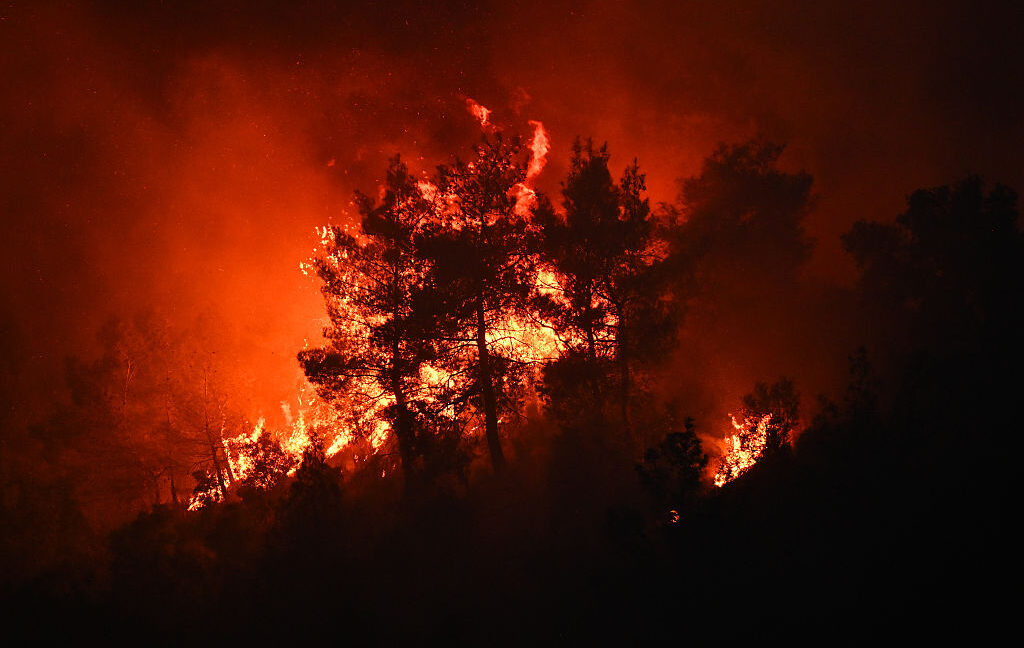
A study led by Jianghao Wang, a professor at the Chinese Academy of Sciences, found that COVID-19 lockdowns in early 2020 reduced global fire activity by 12.3 percent, according to the report. The study appeared in Cell Reports Sustainability.
The researchers used lockdown orders and mobile phone location data to define periods of restricted mobility. They compared fire detections from NASA and NOAA's Suomi NPP satellite during 2020 restrictions with the same weeks from 2013 to 2019, adjusting for weather differences.
Areas under lockdown had about 12.3 percent fewer active-fire detections than the recent-past average. Forest fires fell by about 27.7 percent and grassland fires by 8.4 percent. Shrublands, savannas and croplands showed little difference.
Without adjusting for weather, the drop was only 5.8 percent, which was not statistically significant, according to the report.
Wang said the 12.3 percent figure is a net effect, not the share of fires humans cause. "Opposing changes in ignition and suppression mean it does not capture the full magnitude of human influence," Wang said.
The report says some regions saw increases during the lockdowns. It cites rises of 31.4 percent in Colombia, 25.4 percent in India and 70.7 percent in Honduras. The researchers inferred that reduced fire suppression may have contributed, but the report states there are no direct field data confirming this.
The satellite cannot distinguish wildfires from prescribed burns, so the intent behind each detected fire remains unknown, the report notes.