The US Southwest generated 28% less electricity from hydropower between April and August than the 10-year average, according to new data from the US Energy Information Administration.
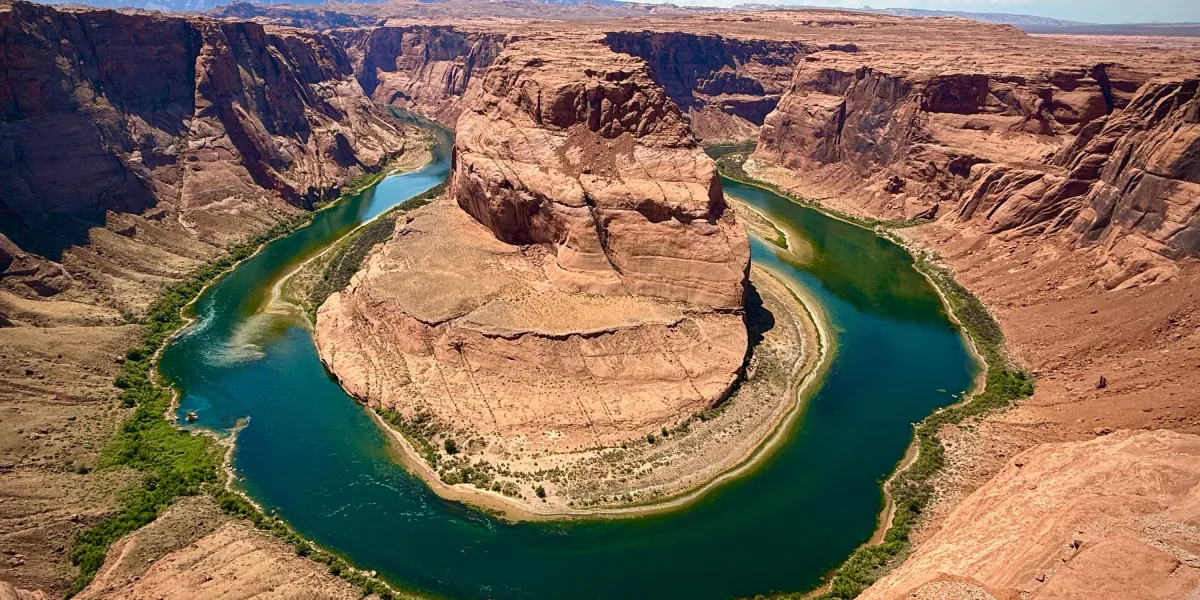
Most US hydropower plants rely on dams that hold back water in reservoirs. An extreme, prolonged drought in the Colorado River Basin has left the region's two largest reservoirs at dangerously low levels, the source reports.
Lake Powell was less than 1% above the level needed to run water through turbines at the Glen Canyon power plant at the end of September. Lake Mead was 9% above the minimum required by the Hoover Dam power plant that month. Together, the two plants produced nearly seven terawatt-hours of electricity in 2025, enough to serve over 2 million people, according to the report.
The EIA projects hydropower production will fall to its lowest level in over a decade in 2026 and decline further in 2027.
The report says rising temperatures, reduced snowpack and more variable precipitation are playing a role in hydropower availability, citing a 2022 review study. The source also notes El Niño may bring temporary relief through wetter conditions, and that heavy rains in October and early November raised Lake Powell's level by more than 20 feet from its mid-September low. The report states the water remains quite low.