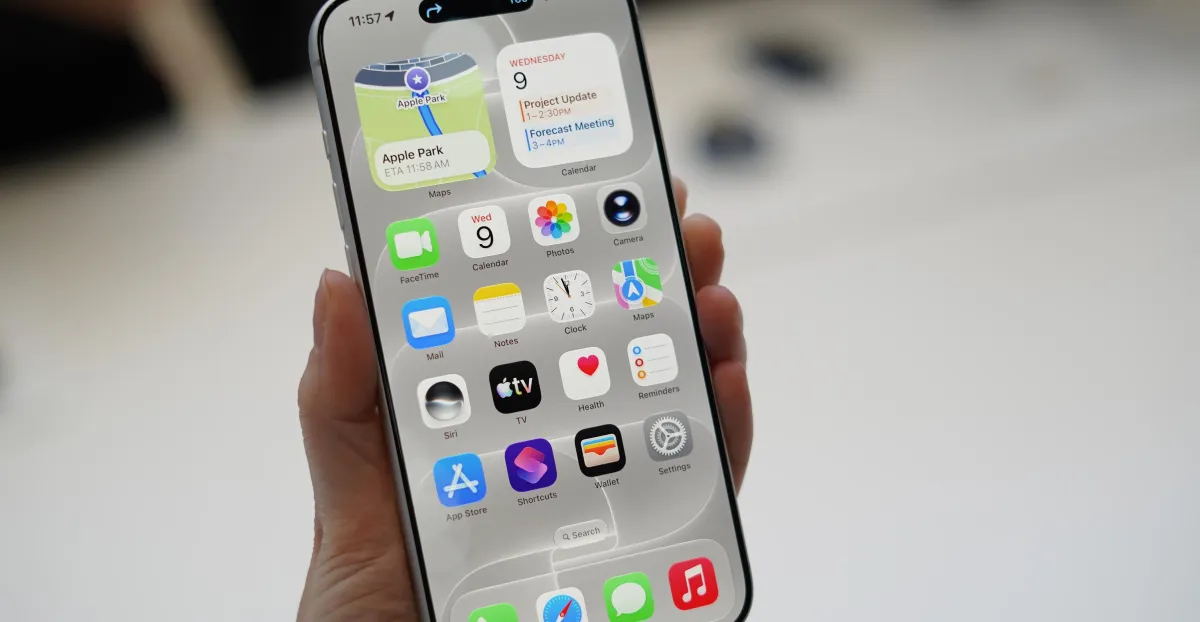
Apple is reportedly hiring an engineer to lead the creation of an agentic AI assistant, according to a job listing spotted by Bloomberg. The listing describes agents that can browse the web, work across apps, write code, and call services. That is a significant ambition, and it deserves scrutiny before it becomes a default feature on the iPhone many of us carry all day.
The competitive framing is easy to see. The report says an Apple agent would put the company in the running against Meta's Muse, OpenAI's Dots, Anthropic's Duet, and Google's Tasks, and it notes that Muse, ChatGPT, and Perplexity can already take control of a computer through their Mac apps. Speed in this race is understandable. But a company that sells privacy as a core promise should not treat the race as a reason to skip the hard questions.
The job listing's own language shows why those questions matter. It describes agents that "plan and carry out multi-step tasks across apps, browsers, command lines, code, and APIs, and they can coordinate specialized sub-agents along the way." An agent that moves fluidly across a user's browser, documents, and services is an agent that touches nearly everything a person does on a device. The report does not say how such an agent would handle permissions, what data it would retain, or how a user would review or stop its actions. Those omissions are the story.
Apple is also extending Siri to developers with its upcoming iOS 27.3 update, allowing integration into "all apps" as part of a Developer Preview. The report notes this will eventually let Siri perform tasks across a wider range of apps. Every new integration is another point where a user's information may flow to a different party. Before this expands, Apple should publish clear, plain-language rules on what third-party apps can access, what gets logged, and how users can revoke access at a glance.
Apple should not roll out agentic features to a wide audience until those controls exist and have been tested in public. Users should be able to see every action an agent takes, approve sensitive steps in advance, and switch the whole system off without digging through menus. Speed is not an excuse to make users the testers. The company has the resources to build consent into the design from the start, and its reputation depends on doing exactly that.