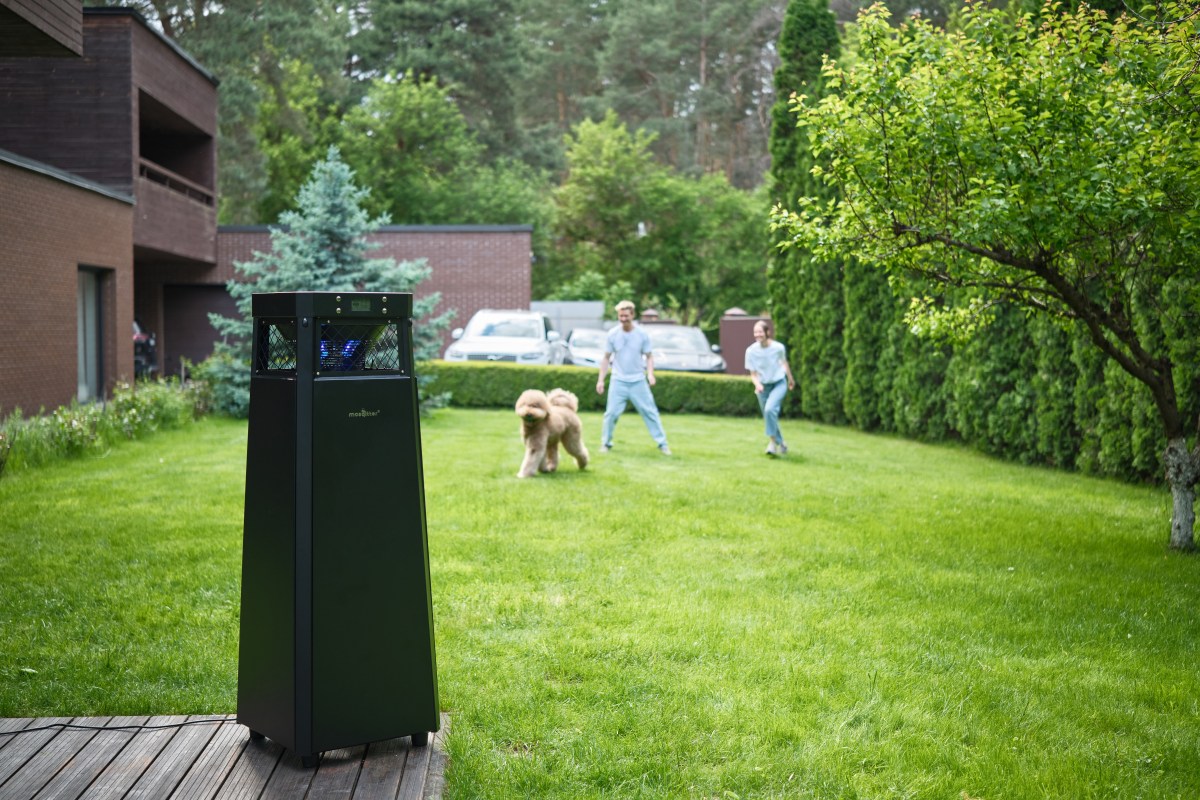
Mosqitter, a Pennsylvania startup with 5,000 mosquito-trapping devices across five continents, is deploying AI-powered surveillance to track disease-carrying insects and forecast health risks.
The company operates chemical-free traps that mimic human heat, scent and breathing to lure female mosquitoes, the only sex that bites. Mosqitter CEO Anastasiia Romanova told TechCrunch the startup has grown from 250 devices in 2022 to over 5,000 today as dengue cases globally doubled to 14.6 million in 2024, according to the World Health Organization.
Mosqitter now plans to layer AI analysis onto its hardware. The company's computer-vision system identifies trapped mosquito species by analyzing images through a neural network, cross-checking against external datasets, and having entomologists validate findings. The system assigns confidence scores based on alignment between these assessments. "You can think about it as three judges analyzing a case and producing a verdict," Romanova said.
The startup's new Febris Monitoring System, launching next month, combines mosquito-species data with environmental inputs like weather, wind and humidity to forecast population changes and disease risk. Romanova emphasized that Febris does not diagnose disease but signals elevated risk where particular vector species are present. The system targets institutional customers including governments, public-health agencies, airports, municipalities and universities.
Mosqitter sells two hardware products. The Mosqitter Mini retails for $199 and targets residential users; it is sold directly to consumers via Amazon and Mosqitter's website. The Mosqitter Grand, priced at $1,999, serves larger public spaces. The company generates revenue from hardware sales and plans recurring fees from Febris monitoring, dashboards and analytics.
The startup operates in multiple markets with different sales models. In Greece, Mosqitter partners with an established pest-control firm. Brazil, where dengue burden is high, houses local manufacturing and sales operations. The UK Health Security Agency is deploying Febris at Heathrow and Gatwick airports to monitor arrivals. Romanova cited international travel as a vector for introducing mosquitoes and diseases to new regions.
Mosqitter projects revenue exceeding $1 million in 2026 from hardware. The data business alone could generate over $3.5 million next year based on current contract bids, Romanova said. The company is raising $5 million in two tranches: $1 million initially, followed by $4 million.