ServiceNow and Nvidia released Arc on Wednesday, an AI agent designed to handle routine enterprise work while operating under multiple layers of real-time security controls. The companies built Arc to run on employee desktops or within Nvidia OpenShell, executing everyday tasks through email and Microsoft Teams while building memory and skills over time.
The core security framework combines three components. ServiceNow's Super Intelligence Control Tower monitors agent actions, vets access permissions, checks for threats like prompt injection, and measures performance. Nvidia OpenShell enforces policies at the runtime level. AI Passport, announced separately last week, holds an enterprise's risk tolerance rules and approved services, functioning as a bridge between ServiceNow infrastructure and Nvidia enforcement checkpoints.
The companies framed the multi-layer approach as a response to what they called "a summer of agent-led breaches." According to the announcement, this design "moves enforcement beyond the software layer into the runtime and hardware layers." IT teams define policies in the Control Tower, which OpenShell then enforces at machine speed. Users gain granular control over which systems agents can access, APIs they can call, and data they can read.
If the Control Tower revokes an agent's passport, Nvidia BlueField enforces that revocation before the agent can proceed. If an agent attempts unsanctioned action, OpenShell contains the task in a sandbox for later audit, while other approved agent actions continue without interruption. This task-specific interruption avoids full system restarts.
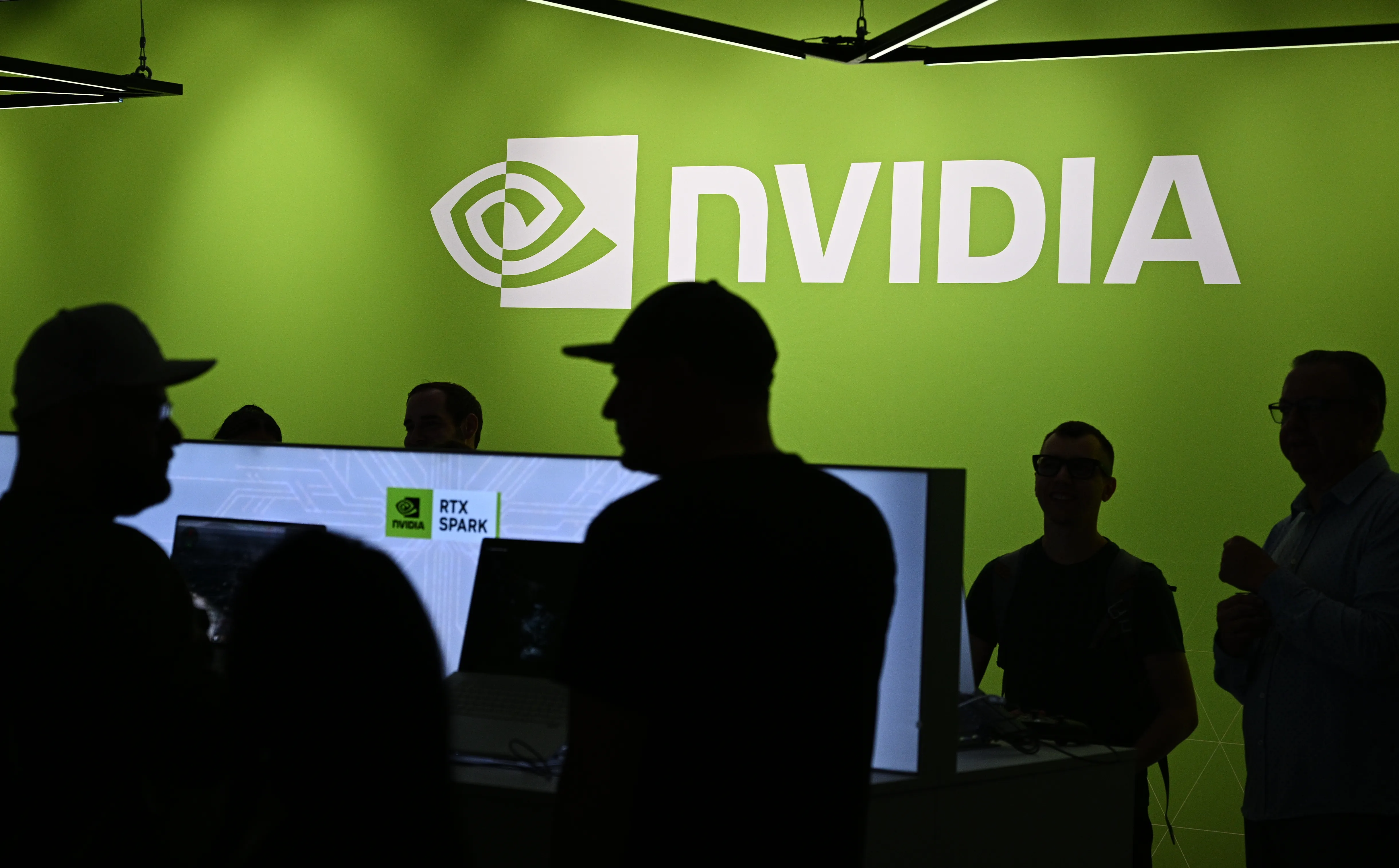
Arc runs efficiently by keeping data local and sending only complex tasks to larger AI models. The agent scans employee inboxes and meeting notes to proactively surface work items. The companies designed Arc to run on Nvidia's RTX Spark devices. Mac support launched this week; Windows support remains in development.
ServiceNow and Nvidia originally proposed Arc in May. The companies positioned the security framework as a competitive differentiator, arguing that adequate security controls remain a primary obstacle to enterprise adoption of autonomous AI systems.