Climate models omit a powerful warming feedback, according to a growing body of research cited by MIT Technology Review.
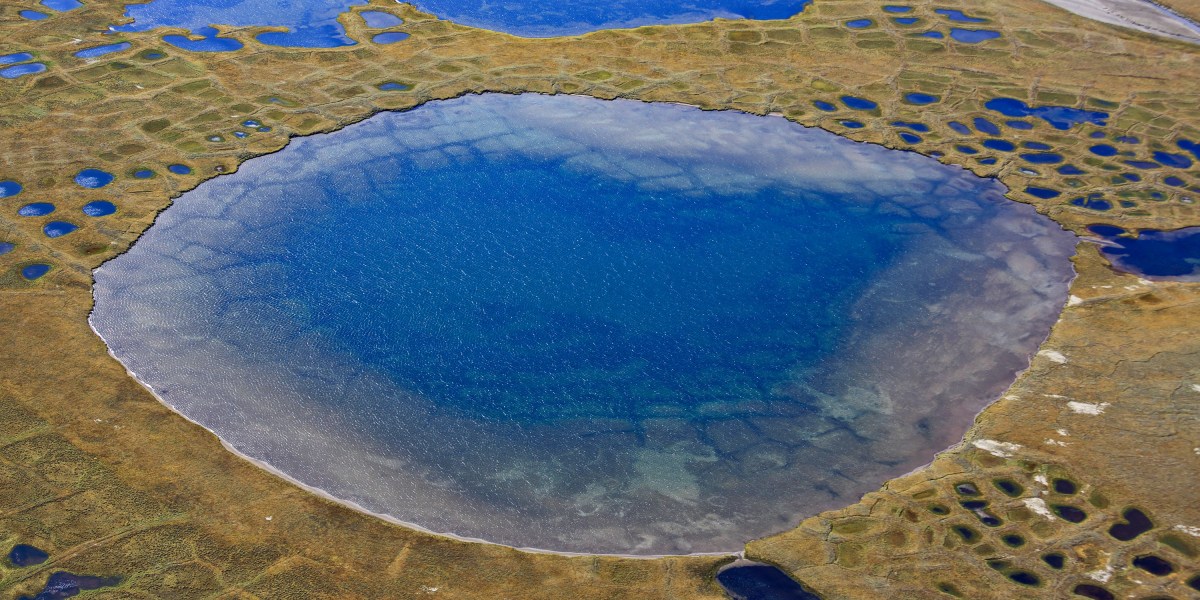
A study in Environmental Research Letters in September, which synthesized previous papers, found that carbon dioxide and methane released from thawing permafrost, intensifying wildfires, hotter lakes and reservoirs, and wetter, warmer wetlands could raise global average temperatures by 0.2 °C to 0.4 °C this century. Modelers already expect 2.6 °C of warming above preindustrial levels through 2100, according to the report.
The report says none of the models informing the major UN climate reports account for all of these feedback effects, and many include none.
A separate analysis in One Earth, published in March, found that three regional sources of warming-driven emissions could shorten by as much as 25% the time before the planet consistently breaches the 1.5 °C and 2 °C thresholds. Sam Abernethy, the lead author of that paper and a climate scientist at Spark Climate Solutions, a San Francisco-based nonprofit research group, said the climate models and UN reports need updating and that nations must step up emissions cuts.
Spark launched the Warming-Induced Greenhouse Gas Emissions Model Intercomparison Project, in which more than 20 international teams are running the same analyses on different models. Researchers hope the UN's next major climate assessment, due in 2029, will incorporate the results.
The report says some research groups are exploring ways to control feedback emissions, but researchers are in the early stages of assessing how much those efforts could reduce emissions.