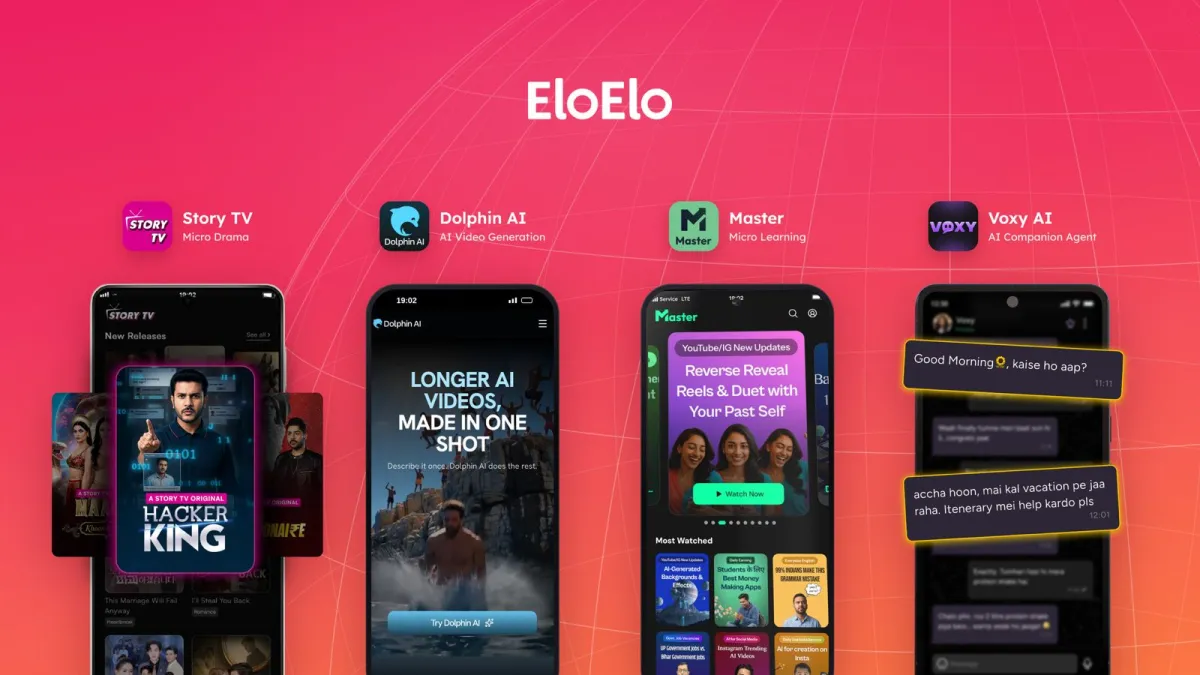
EloElo's $80 million Series C is a bet on scale. The report says more than 118 million people in India watch microdramas every month, and that EloElo's Story TV has over 33 million active users, according to analysts. Investors led by Hornbill Capital and NBCUniversal see that audience as the foundation of a $500 million valuation. Analysts expect the industry to cross $3 to $4 billion in annual revenue by 2030. Those are large numbers, and they explain why the money is moving.
The monetization figures are less impressive. According to a Redseer report cited in the story, more than 40 million people have paid for microdrama at least once, but only 15 to 17 million pay every month. A separate Ormax Media survey suggested that 72% of people have never paid while consuming microdrama. A platform can have tens of millions of viewers and still depend on a minority of subscribers to fund its catalog. The report itself notes that ad-supported free content may not be as lucrative as subscriptions. Investors should ask whether scale can turn into durable revenue before the next round arrives.
The company's AI strategy deserves the same scrutiny. EloElo's Dolphin AI platform started as an internal tool and is now planned for wider release, with marketing and ad use cases in view. Founder Saurabh Pandey argues that human creative direction still matters, calling AI a fast race car that needs a skilled driver. That is a reasonable position. But the report gives no evidence about how the tool performs, how it affects workers, or how it will be governed, and a pitch about speed should not replace those answers.
Viewers also deserve a clearer picture. The report says EloElo has more than 40 million monthly users across its apps and that most belong to Story TV, yet it did not break users down by app. It also says the company plans to deploy a large part of its capital to original titles and to expand its AI and machine learning research team, which now has 240 employees overall. Those plans are concrete, but they do not show how user data will be handled as the company grows.
The next step is simple. Platforms that want to be called the future of entertainment should publish conversion numbers, clearer user breakdowns, and an explanation of how AI-generated material will be labeled and governed. Investors will reward growth, but users and creators need to know what they are being asked to trust.