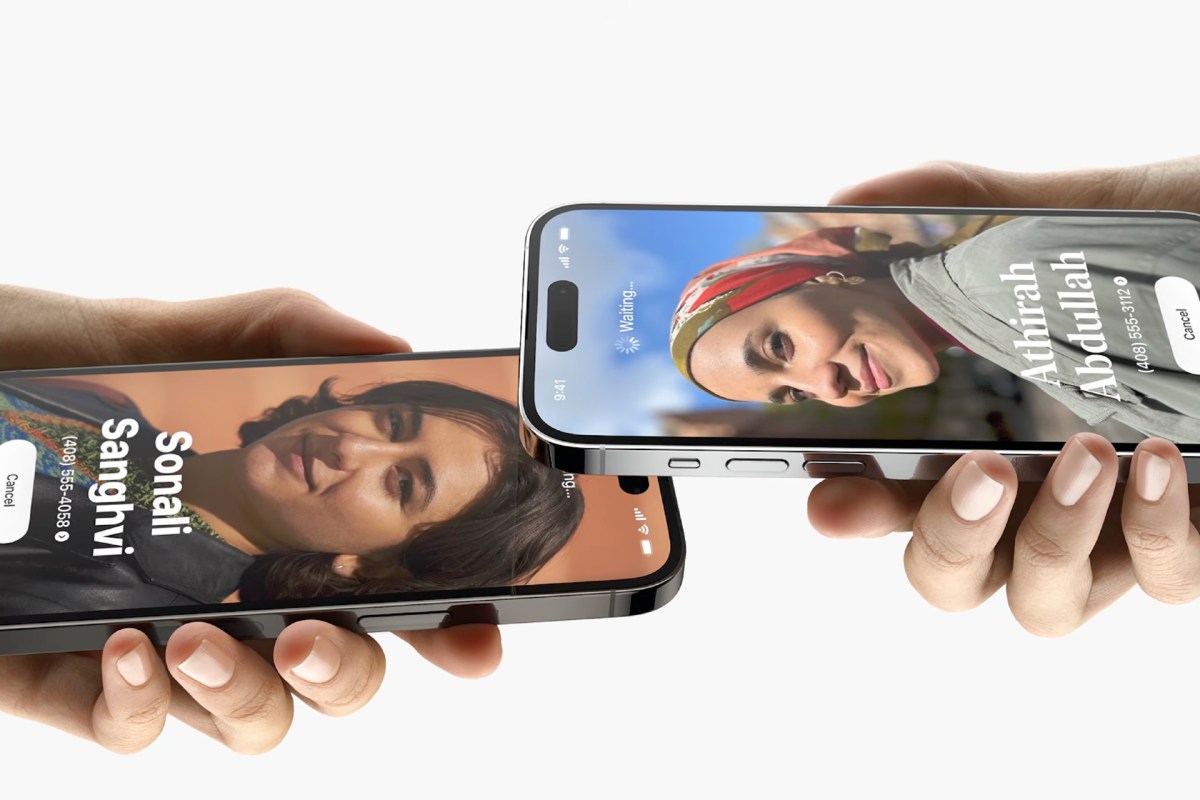
GG Technologies, the Santa Monica startup behind StayTouch, is asking an Indian court to restrict Apple from selling or importing iPhones and Apple Watches preloaded with NameDrop. The company alleges the feature infringes its Indian patent on technology that lets phones exchange contact details with nearby devices without manual pairing. According to court documents reviewed by TechCrunch, the startup is seeking 15 billion rupees, about $161.86 million, in damages along with an injunction. Those are allegations, not findings, and the case has yet to be listed for a hearing.
The claim deserves serious attention because the underlying idea is simple enough to matter. GG Technologies says it launched StayTouch in 2019, first sought U.S. patent protection that same year, filed its Indian application in 2021, and received the Indian patent in July 2024. Apple introduced NameDrop with iOS 17 in June 2023. If the court record supports the company's account, the dispute turns on a narrow question: whether a feature that millions of people now use for an ordinary task reproduces a protected method. Courts, not columnists, should decide that question.
The broader pattern is worth noting too. The startup has also sued Apple in the United States, and the U.S. International Trade Commission opened an investigation in August after a complaint from GG Technologies. A small company taking on a company of Apple's size across two countries shows how much leverage patent law gives smaller inventors, and how much it can cost them to use it. Apple did not respond to a request for comment, so its side of the dispute remains unknown.
India is also the right place for this fight to be watched closely. The report notes that the country is a fast-growing consumer market for Apple, where iPhones still account for less than 10 percent of smartphone shipments. That growth makes Indian courts a meaningful forum for global technology disputes. Regulators and courts there should be able to resolve claims like this one on evidence, with attention to whether the patent is valid and whether the feature infringes it.
Readers should watch whether the case moves past its procedural stage and whether Apple responds in court. Privacy observers have a stake too, since contact-sharing features touch personal information even when the question before the court is one of patent ownership. Whatever the outcome, the lesson is that tap-to-share convenience is now a legal battleground, and the claims against it should be tested in public.